3D Layered Hummingbird SVG Cut File: A Practical Guide to Integration and Execution
In the landscape of modern digital crafting, the 3D Layered Hummingbird SVG Cut File represents more than just a decorative graphic; it is a versatile asset designed for high-fidelity production across multiple platforms. For professionals, entrepreneurs, and hobbyists alike, the value of this file lies not merely in its visual appeal but in its structural adaptability. It serves as a foundational element that bridges the gap between digital design and tangible output, allowing users to transition seamlessly from concept to physical product.
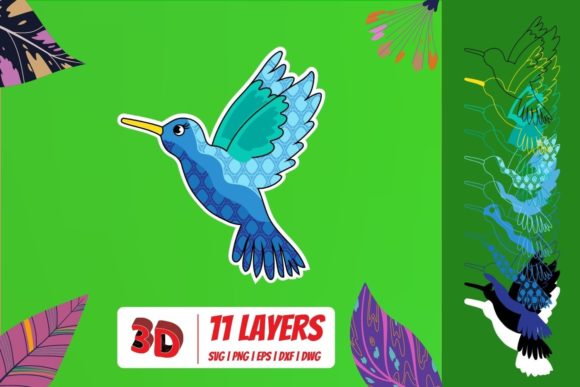
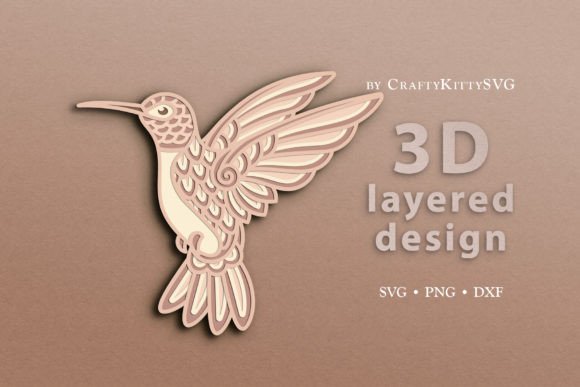
This specific asset features a single zip archive containing a 5-layer design optimized for vector-based workflows. The complexity of a 3D layered effect requires precise layering logic, which this file provides out of the box. Whether you are running a small business creating custom home decor, an educator preparing classroom materials, or a freelancer fulfilling client orders, understanding how to integrate this file into your existing pipeline is crucial for efficiency and quality control.
Understanding the Technical Architecture and Compatibility
The core utility of the 3D Layered Hummingbird SVG Cut File stems from its multi-format delivery system. In a professional workflow, compatibility is often the primary bottleneck. Designers frequently waste time converting files only to find that the resulting vectors have lost their integrity or that the layers are flattened, making the 3D effect impossible to achieve.
This package mitigates those risks by offering three distinct file types tailored to specific machinery and software ecosystems:
- SVG (Scalable Vector Graphics): This is the gold standard for cutting machines like Cricut Design Space and laser engravers such as Glowforge. The SVG format preserves the individual layers required to build depth, ensuring that when you import the file, each wing segment, body part, and beak remains distinct and editable.
- DXF (Drawing Exchange Format): Essential for Silhouette Studio users and CNC laser machines, the DXF file ensures broad interoperability with industrial and semi-industrial hardware. This allows creators to move beyond consumer-grade cutters into more robust manufacturing environments without losing design fidelity.
- PNG (Portable Network Graphics): Included as ready-to-print assets, these files support raster-based workflows. They are particularly useful for projects where cutting is not required, or for quick mockups within Cricut Design Space and Glowforge engraving modes where vector data might not be strictly necessary.
By providing these variations, the file accommodates the entire spectrum of the creative process, from initial prototyping on a desktop to final production on a shop floor.
Strategic Implementation in Creative Workflows
Integrating the 3D Layered Hummingbird SVG Cut File into a project requires a shift in perspective from viewing the image as a flat picture to treating it as a construction blueprint. The 5-layer design implies a sequential assembly process. Before engaging the machine, the creator must plan the layer order. Typically, the largest background elements go down first, followed by progressively smaller foreground details to create the illusion of depth.
This planning phase is critical for maintaining consistency. When working on bulk orders or educational kits, the ability to pre-sort layers in the software prevents errors during the cutting or engraving phase. For instance, if you are producing wall art, you might assign different colors to specific layers to create a gradient effect or to highlight specific anatomical features of the hummingbird.
The flexibility of the design also allows for adaptation during the execution phase. Since the preview colors are examples only, the user has full control over material selection. You are not limited to the default color palette shown in marketing images. Instead, you can leverage the properties of various substrates to enhance the 3D effect. Using paper of different colors for each layer adds immediate visual contrast. Alternatively, utilizing materials like wood, plywood, or MDF introduces texture that interacts uniquely with light, deepening the shadows between layers.
Material Selection and Process Optimization
The success of a 3D layered project often depends less on the software and more on the physical medium. The 3D Layered Hummingbird SVG Cut File is compatible with a wide array of materials, including acrylic, plexiglass, metal, cardstock, and standard paper. Each material demands a different approach to preparation and processing.
For rigid materials like acrylic or thin metal sheets, precision is paramount. The vector lines in the SVG or DXF files must be perfectly closed to ensure the laser cutter or CNC router does not make stray marks. When using these materials, the 5-layer structure allows for stacking techniques that can mimic stained glass or architectural models. The transparency of acrylic, for example, creates a unique optical effect when layers are offset, turning a simple bird silhouette into a complex light sculpture.
Conversely, when working with soft materials like cardstock or paper, the focus shifts to adhesion and alignment. Here, the workflow involves cutting all layers simultaneously or in batches, then manually assembling them. To maintain efficiency, many creators use double-sided tape or foam adhesive pads between layers. This technique not only secures the structure but also increases the vertical distance between planes, enhancing the 3D perception.
It is important to note that while the file supports these diverse materials, the cutting settings must be adjusted accordingly. A setting optimized for thick plywood will burn or fail to cut through delicate cardstock. Therefore, the integration of this file into a workflow necessitates a testing phase. Creating a small prototype allows the user to calibrate speed, power, and pressure before committing to a full production run.
Business and Educational Applications
For small business owners and freelancers, the 3D Layered Hummingbird SVG Cut File offers a scalable solution for product diversification. It fits naturally into a content strategy that emphasizes handmade quality and customization. By offering personalized versions—where customers can choose the color scheme or material—the creator adds significant value to the base design.
In an educational context, this file serves as an excellent tool for teaching spatial reasoning and engineering principles. Students can analyze the 5-layer structure to understand how 2D components combine to form a 3D object. The process of sorting, cutting, and assembling the layers reinforces fine motor skills and logical sequencing. Educators can use the PNG files for theoretical discussions while utilizing the SVG files for hands-on workshops involving laser cutting or vinyl application.
Marketers and bloggers can also leverage this asset to generate engaging content. Demonstrating the transformation of a flat digital file into a physical object provides compelling visual storytelling. Showing the "behind-the-scenes" of layering the hummingbird parts highlights the craftsmanship involved, which resonates well with audiences interested in DIY and maker culture.
Quality Control and Long-Term Asset Management
Once the design is integrated into your routine, maintaining quality becomes a priority. The 3D Layered Hummingbird SVG Cut File is a long-term asset that should be organized systematically within your digital library. Proper naming conventions and folder structures ensure that the file can be retrieved quickly for future projects without the need for re-downloading or searching.
Consistency in output is key to building a reputation. Whether you are producing a single gift or a batch of fifty items, the alignment of layers must remain consistent. Regular calibration of your cutting tools and checking the integrity of the vector paths in your design software helps prevent costly mistakes. If a layer is missing or misaligned, the 3D effect collapses, rendering the piece visually incomplete.
Furthermore, the versatility of the design encourages experimentation. As technology evolves, new materials become available. Because the file is vector-based, it scales infinitely without loss of quality. This means the same design can be used for a tiny keychain or a large wall mural, adapting to the changing needs of your market or personal interests.
In conclusion, the 3D Layered Hummingbird SVG Cut File is a robust tool that empowers users to execute complex designs with precision. By understanding its technical specifications, selecting appropriate materials, and adhering to a structured workflow, creators can transform a simple digital download into a high-quality physical product. Its compatibility with industry-standard software and hardware makes it an essential component for anyone looking to streamline their creative process and expand their portfolio of crafted goods.