3D THANKFUL SVG: A Comprehensive Evaluation for Fall Decor
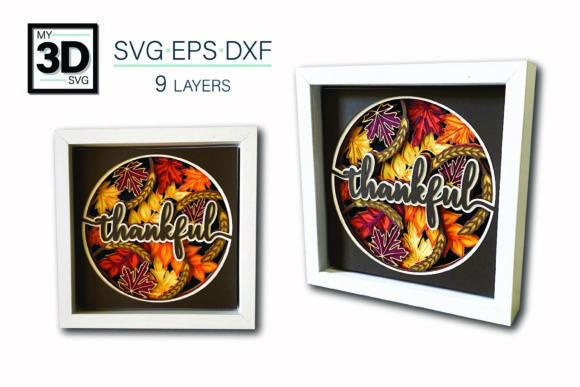
The 3D THANKFUL SVG represents a specific category of digital design files tailored for layered paper crafts. Unlike standard vector graphics that print flat, this design is engineered to create depth through a multi-layer assembly process. The core concept involves cutting distinct layers from cardstock and stacking them to form a three-dimensional object. This particular iteration is designed as a nine-layer structure, intended primarily for seasonal decoration during the autumn months or Thanksgiving celebrations.
When evaluating this file for a crafting project, it is essential to understand the technical specifications and the workflow required to achieve the final result. The design assumes the use of standard 8.5x11 inch cardstock, which is the most common size available in craft stores. The "nine-layer" designation indicates that the user will be working with nine separate cut pieces that must be aligned and adhered together. This complexity distinguishes the product from single-cut designs, offering a higher level of visual detail at the cost of increased assembly time.
Why Consider This Design for Seasonal Projects?
Individuals often seek out layered designs like the 3D THANKFUL SVG when they wish to elevate their home decor beyond simple two-dimensional prints. The primary appeal lies in the tactile nature of the finished product. By manipulating light and shadow across multiple planes, the design creates a dynamic visual effect that changes depending on the viewing angle and lighting conditions. This makes it particularly suitable for display on mantels, tables, or entryways where it can catch attention from different perspectives.
The versatility of the color palette is another significant factor. Because the design consists of separate layers, the crafter has full control over the color scheme. One might choose traditional autumn hues such as burnt orange, deep red, and mustard yellow, or opt for a modern, minimalist aesthetic using neutrals like cream, gray, and slate blue. The ability to experiment with color combinations allows the same digital file to produce vastly different looks, making it adaptable to various interior design styles.
Technical Specifications and File Compatibility
A critical component of selecting any digital craft file is ensuring compatibility with the software and hardware already owned by the user. The 3D THANKFUL SVG is distributed in multiple formats to accommodate a wide range of cutting machines and design software. This inclusivity is a practical advantage for users who may switch between platforms or share files with others.
- SVG: This format is the industry standard for Cricut Design Space. It ensures that the layers remain editable within the Cricut ecosystem, allowing for resizing and color mapping before cutting.
- DXF: Designed specifically for Silhouette Studio, this format preserves the layer information required for the 3D assembly process.
- EPS: Compatible with Adobe Illustrator, Make the Cut, CorelDRAW, and Inkscape, this format offers high-fidelity vector data for professional graphic designers or those using advanced editing tools.
The inclusion of these diverse formats reduces the barrier to entry for users who do not rely exclusively on one brand of cutting machine. However, it requires the user to have the corresponding software installed to manipulate the files effectively.
The Assembly Process and Instructions
One of the most important considerations for potential buyers is the assembly requirement. The 3D THANKFUL SVG is not a "print-and-play" item; it requires manual construction. To facilitate this, the purchase includes a PDF containing step-by-step instructions. These guides typically detail the order of operations for gluing the layers, suggesting adhesive points, and explaining how to maintain alignment to ensure the final shape holds correctly.
While the presence of instructions is a positive feature, the nine-layer nature of the design implies a moderate to high difficulty level compared to simpler projects. Users should anticipate spending time measuring, aligning, and adhering the pieces. For beginners, this process serves as an excellent learning opportunity regarding precision and patience. For experienced crafters, it offers a satisfying challenge that results in a premium-looking decorative piece.
Evaluating Benefits and Tradeoffs
Before committing to this project, it is helpful to weigh the benefits against the potential drawbacks. The primary benefit is the customization factor. Unlike store-bought decorations that are mass-produced with fixed colors and materials, a handmade 3D version allows for the selection of high-quality cardstock textures and finishes. This often results in a more durable and aesthetically pleasing final product that feels unique to the home.
However, there are tradeoffs to consider. The most significant is the time investment. Cutting nine layers for each unit, plus the assembly time, means that creating a single decoration could take an hour or more. Additionally, the cost of materials adds up if purchasing specialty cardstocks. There is also a margin for error; misaligning a single layer can ruin the symmetry of the entire design, requiring the user to cut new pieces.
Situations Where This Design Is a Strong Fit
This project is ideally suited for individuals who enjoy the process of crafting as much as the end result. It is a strong fit for hobbyists looking to create personalized gifts for family members or friends during the holiday season. The customizable nature of the design makes it perfect for matching existing room decor themes.
Furthermore, it is an excellent choice for educational settings or group workshops. Teachers or community leaders can use the included PDF instructions to guide students through the process of reading technical drawings and assembling complex structures. The repetitive nature of cutting multiple layers also makes it a viable option for production runs, provided the user has access to a bulk cutting setup or is willing to invest the labor hours.
When Alternatives May Be Worth Considering
Conversely, there are scenarios where the 3D THANKFUL SVG might not be the best choice. If the goal is to create decorations quickly with minimal effort, a single-layer vinyl decal or a pre-made physical ornament would be more appropriate. Users who lack access to a compatible cutting machine or the necessary software will find this file unusable without additional investment.
Additionally, those who prefer digital-only displays, such as social media graphics or e-cards, may find the physical cardstock requirements unnecessary. In cases where durability is a concern (e.g., outdoor use), paper-based 3D designs may degrade faster than weather-resistant materials, necessitating a different approach entirely.
Practical Decision-Making Insights
To determine if this file aligns with your goals, consider your current inventory of tools and materials. Do you own a cutting machine? Do you have a supply of 8.5x11 cardstock in various colors? Are you comfortable following detailed assembly instructions? If the answer to these questions is yes, the 3D THANKFUL SVG offers a high-value return on investment through the creation of beautiful, custom decor.
If you are unsure about the assembly process, reviewing the sample images or requesting clarification before purchase is advisable. The creator notes a willingness to answer questions, which can help alleviate concerns about the complexity of the nine-layer design. Ultimately, the decision rests on whether you value the unique, handcrafted aesthetic enough to dedicate the time and resources required to build it.