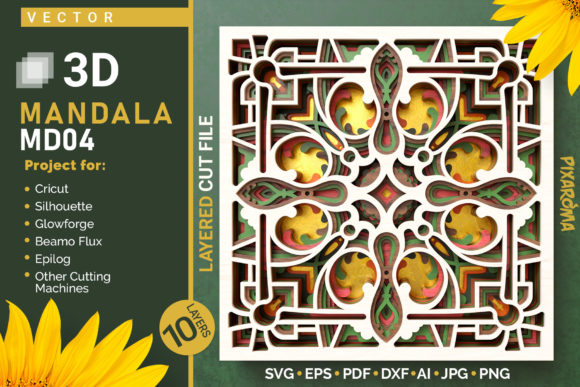
Mandala MD04 3D Layered SVG Cut File: A Comprehensive Guide to Crafting Dimensional Art
In the evolving landscape of digital crafting, the Mandala MD04 3D Layered SVG Cut File has emerged as a versatile tool for creators seeking to bridge the gap between digital precision and tangible artistry. This specific design is not merely a flat image or a simple silhouette; it is a complex, ten-layer composition engineered to create depth, shadow, and visual interest when assembled. Whether you are a hobbyist looking to add a unique touch to your living space or a professional business owner aiming to produce high-quality wall decor, understanding the mechanics and potential of this file is essential for achieving a superior result.
Understanding the Core Concept
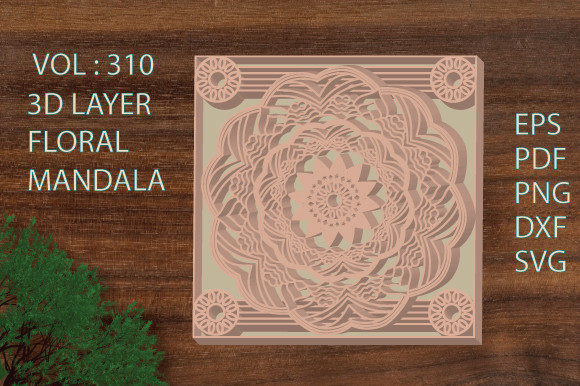
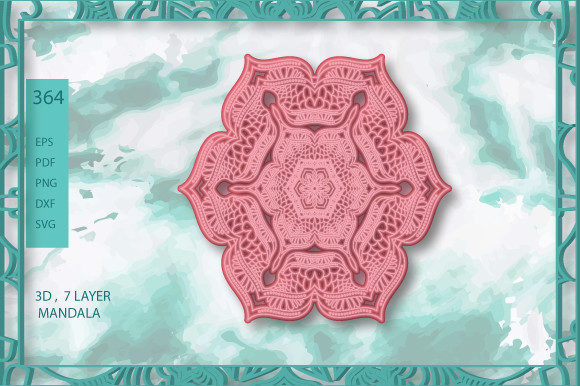
The fundamental purpose of the Mandala MD04 is to transform a two-dimensional digital vector into a three-dimensional object. Unlike traditional mandalas that rely on single-sheet printing or cutting, this design utilizes a layered approach. The file contains ten distinct layers, each contributing to the overall symmetry and complexity of the final piece. When these layers are cut from various materials and stacked with appropriate spacing, they create a sculpture-like effect that changes appearance depending on the lighting and viewing angle.
This method of construction allows for a level of detail that is often lost in standard wall art. By separating the design elements into multiple strata, the artist can control the focal points of the artwork, ensuring that the intricate patterns of the mandala pop out rather than blending into a flat background. The Mandala MD04 3D Layered SVG Cut File serves as the blueprint for this transformation, providing the precise instructions needed to replicate the intended geometry across different mediums.
Material Versatility and Creative Freedom
One of the most significant advantages of using this digital asset is its adaptability. The design is not restricted to a single type of material, which opens up a wide array of creative possibilities. Users have successfully crafted the Mandala MD04 using:
- Paper and Cardstock: Ideal for beginners or those working with limited budgets. Cardstock offers enough rigidity to hold the shape while remaining easy to cut and manipulate.
- Plywood and Wood Veneer: For a rustic or industrial aesthetic, wood adds warmth and durability. It is perfect for creating lasting furniture accents or heavy-duty wall installations.
- Acrylic and Plastic: These materials provide a modern, sleek look with translucency options that interact beautifully with backlighting.
- Foam Board: A lightweight alternative that mimics the structural integrity of wood without the added weight.
The ability to switch materials means that the same digital file can yield vastly different products. A paper version might be used for a temporary event decoration or a child's room project, while a plywood version could serve as a permanent centerpiece in a commercial lobby or a home office. This flexibility ensures that the Mandala MD04 3D Layered SVG Cut File remains relevant across diverse project scopes.
The Assembly Process: Achieving True Depth
While the digital file provides the shapes, the physical assembly is where the magic happens. The success of the final product relies heavily on how the layers are separated. A common mistake among new users is applying glue directly between the layers. While this secures the pieces, it eliminates the necessary air gap, resulting in a flat, compressed look that defeats the purpose of the 3D design.
To achieve the intended dimensional effect, spacers must be used. The process generally involves:
- Preparing the Layers: Ensure all ten layers are cut cleanly according to the guide provided with the file.
- Selecting Spacers: For cardstock projects, double-sided foam dots, adhesive tabs, or strips of tape are recommended. For wood layers, acrylic blocks, wooden dowels, or specialized foam spacers work best.
- Stacking Order: Follow the provided guide meticulously. The order of layers determines the flow of the design and where the shadows fall.
- Assembly: Attach the spacers to the back of each layer before stacking them. This creates a consistent distance between each plane, allowing light to pass through and cast dynamic shadows.
This technique transforms a collection of cutouts into a cohesive sculpture. The height created by the spacers emphasizes the intricate details of the mandala, making it a true wall sculpture rather than just a framed picture.
Applications and Use Cases
The versatility of the Mandala MD04 extends beyond simple decoration. Its application spans several practical scenarios:
Home Decor and Interior Design
For homeowners, this file offers a cost-effective way to customize their environment. The finished mandala can be displayed as is, leaning against a wall on a shelf, or mounted directly to the surface. Alternatively, framing the 3D creation inside a complementary shadow box enhances the artwork further. The deep frame accommodates the thickness of the layered stack, emphasizing the dimensionality and turning the piece into a gallery-worthy installation.
Retail and Commercial Spaces
Business owners and entrepreneurs can leverage this file to create unique inventory. Wall sculptures made from the Mandala MD04 3D Layered SVG Cut File are highly sought after in boutique shops, yoga studios, and wellness centers. The meditative nature of mandalas aligns perfectly with environments focused on relaxation and mindfulness. By producing these items in bulk using CNC routers or laser cutters, small businesses can generate a steady stream of revenue with minimal overhead.
Educational and Community Projects
Craft workshops and community centers can utilize this design to teach principles of spatial reasoning, layering, and material science. The step-by-step nature of assembling the mandala makes it an excellent educational tool for demonstrating how 2D designs translate into 3D objects.
Evaluating Suitability and Practical Considerations
Before starting a project with this file, it is important to evaluate your specific needs and resources. The Mandala MD04 requires a certain level of patience and attention to detail. Because there are ten layers, the assembly time will be longer compared to single-layer projects. However, the reward is a significantly more impressive final product.
When considering the material choice, think about the intended location of the artwork. If the piece will be placed in a high-traffic area or a humid environment like a bathroom, wood treated with sealant or acrylic may be more durable than paper or untreated cardstock. Conversely, for a quick craft fair project, cardstock offers speed and ease of use.
It is also worth noting that the quality of the cutting machine and the blade condition will impact the outcome. Clean cuts are vital for the layers to sit flush against one another. Dull blades can cause burning on wood or tearing on paper, which detracts from the clean lines of the mandala design.
Conclusion
The Mandala MD04 3D Layered SVG Cut File represents a powerful intersection of digital technology and traditional craftsmanship. By offering a robust framework for creating multi-dimensional art, it empowers users to produce works that are both visually striking and structurally sound. Whether used for personal satisfaction, commercial gain, or educational purposes, the key to success lies in respecting the layering process and utilizing the correct spacers to maintain depth.
As you embark on your next crafting journey, remember that the true value of this file is not just in the download, but in the creative interpretation you bring to it. With the right materials and a bit of patience, you can turn a simple digital file into a stunning 3D mandala that serves as a testament to your skill and artistic vision.