Unlocking the Potential of 3D Printing Svg Cut File Assets for Modern Creators
In the rapidly evolving landscape of digital fabrication and creative design, the intersection of vector graphics and physical manufacturing has created a new frontier for innovation. At the heart of this movement lies the 3d Printing Svg Cut File, a versatile asset that bridges the gap between digital imagination and tangible reality. This technology is not merely about printing objects; it is about creating scalable, precise, and adaptable designs that can be utilized across a multitude of industries. Understanding the core mechanics of these files is essential for anyone looking to integrate digital precision into their workflow.
The Science Behind Scalable Vector Graphics
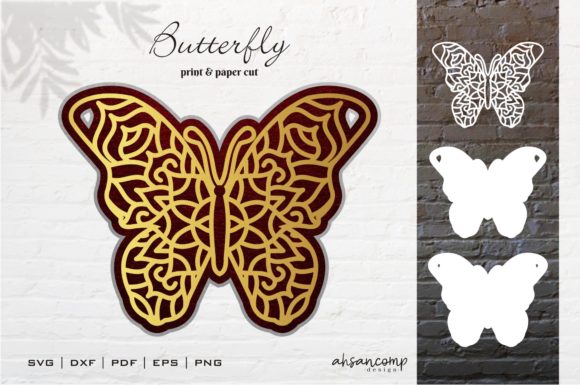
This is a Scalable Vector SVG Graphic, which means that the graphics can be scaled to various sizes without quality reduction. Unlike raster images, which are composed of a fixed grid of pixels that become blurry or pixelated when enlarged, vector graphics are defined by mathematical equations. These equations describe lines, curves, and shapes based on coordinates. Consequently, whether you are shrinking a design down to the size of a sticker or expanding it to cover a massive billboard, the edges remain crisp and clean. You can easily change colors to match with your own projects because the color data is stored separately from the shape data, allowing for infinite customization without re-drawing the artwork.
The best thing about them is that they never become pixelated no matter how much they are altered. This characteristic is particularly crucial for professionals who require high fidelity in their output. Whether you are a graphic designer preparing assets for a large-scale print run or a hobbyist creating intricate jewelry components, the integrity of the image remains intact. This scalability ensures that the final product always meets the highest standards of visual quality, regardless of the dimensions required.
Digital Cutting Machines and Material Versatility
You can download them and then use digital cutting machines such as a Silhouette or Cricut to create stunning projects instantly. These machines act as the bridge between the digital file and the physical world. They interpret the vector paths within the SVG file to guide a blade or laser with extreme precision. That's not all, you aren't limited to use SVGs on paper alone, you can also use them on other materials such as vinyl leather, felt and cotton it all depends on the capabilities of your machine. The adaptability of these files allows creators to work with a diverse range of substrates, opening up possibilities for textile design, home décor, and industrial prototyping.
When working with materials like leather or thick felt, the precision of the vector path becomes even more critical. A single error in the line weight or node placement can result in a cut that fails to hold together or looks jagged. However, because the 3d Printing Svg Cut File provides exact coordinates, users can trust that the machine will execute the design exactly as intended. This reliability is what makes these files indispensable for businesses that need consistent production quality.
- Vinyl: Ideal for signage, car decals, and wall art where durability and adhesion are key.
- Leather: Perfect for crafting wallets, belts, and custom accessories with a premium feel.
- Felt: Great for educational toys, decorations, and soft sculptures used in classrooms.
- Cotton: Essential for screen printing stencils, t-shirt transfers, and fabric appliqué.
A Comprehensive Guide to Applications and Use Cases
The utility of these digital assets extends far beyond simple crafts. They are tools for communication, branding, and education. The versatility of the format supports a vast array of applications, making it a staple in both professional studios and home workshops. Below is an exploration of how these files are utilized across different sectors.
Events, Promotions, and Marketing
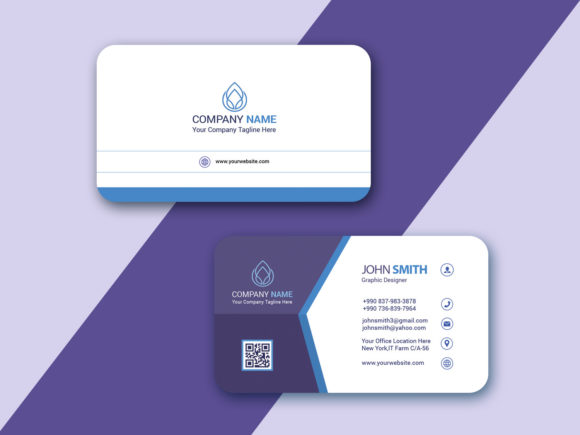
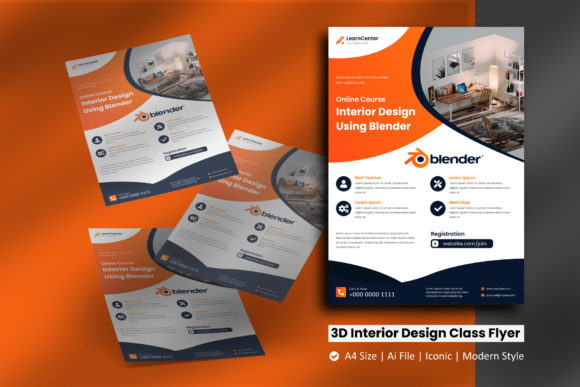
In the realm of marketing and event planning, speed and customization are paramount. SVG cut files are used by crafters for scrapbooking, graphic design, events, classroom activities, promotions, invitations, banners, stickers, cards, flyers, magnets, books, e-books, magazines, posters, package design, programs, business cards, postcards, brochures. For instance, a small business owner might use a vector file to quickly produce branded merchandise like tote bags or promotional stickers for a trade show. Because the file is scalable, the same logo can be adapted for a giant banner at the entrance or a tiny magnet handed out to attendees, ensuring brand consistency across all touchpoints.
Invitations and cards benefit immensely from this technology. Designers can create intricate lace patterns or complex typography that would be impossible to cut by hand. When printed on high-quality cardstock or cut from textured paper, these invitations elevate the perceived value of the event. Similarly, for business cards and postcards, the ability to cut unique shapes or incorporate die-cut windows adds a tactile element that standard printing cannot achieve.
Educational and Classroom Integration
Educators are increasingly turning to digital fabrication to engage students. SVG cut files are used by crafters for... classroom activities.... Teachers can download specific designs related to history, science, or mathematics and have students cut them out to create models, flashcards, or interactive displays. For example, a biology teacher might use a file to create detailed anatomical models from foam or cardboard, allowing students to explore the human body in three dimensions. The ability to alter colors and sizes helps in differentiating instruction for various age groups and learning styles.
Textile, Fashion, and Jewelry Design
The fashion industry has embraced vector graphics for pattern making and embellishment. SVG cut files are used by crafters for... textile design, jewelry, mixed media much more. Designers can create precise patterns for fabric cutting, ensuring that every piece fits perfectly. In jewelry making, thin metals or acrylics can be cut with incredible detail using laser cutters guided by SVG files. Mixed media artists utilize these files to combine different textures and materials, layering paper, metal, and wood to create depth and complexity in their artwork.
Branding and Corporate Identity
For businesses establishing their identity, logos, branding, advertising assets must be versatile. An SVG logo can be used on everything from a company website to a vehicle wrap. The non-pixelating nature of the format ensures that the brand looks professional at any scale. Companies often commission custom 3d Printing Svg Cut File designs to create unique packaging solutions that stand out on retail shelves. Custom package design allows brands to tell a story through the unboxing experience, using die-cuts to reveal products or add interactive elements.
Workflow Optimization for Professionals and Hobbyists
Integrating these files into a workflow requires a strategic approach. Whether you are a researcher studying material properties or a hobbyist looking to start a side business, understanding the process is vital. The typical workflow involves selecting a design, importing it into software compatible with your cutting machine (such as Silhouette Studio or Cricut Design Space), adjusting the settings for the specific material being used, and executing the cut.
One of the significant advantages of this workflow is efficiency. Once a design is saved as an SVG, it can be reused indefinitely. There is no need to redraw the image for every new project. This saves time and reduces the potential for human error. Furthermore, the ability to change colors digitally before cutting allows for rapid prototyping. A designer can visualize how a red version of a logo looks on a white background versus a black version on a silver background without physically producing either option first.
Considerations for High-Quality Output
While the technology offers immense flexibility, there are considerations to keep in mind to ensure the best results. The capabilities of the machine play a significant role. A standard blade cutter may struggle with very fine details or thick materials compared to a laser cutter. Therefore, it is important to choose the right tool for the job. Additionally, the quality of the source file matters. While SVGs are inherently high quality, poorly constructed paths with unnecessary nodes can cause issues during the cutting process.
Material selection is another critical factor. Not all materials react well to cutting or printing. Some may fray, melt, or absorb ink unevenly. Testing a small sample before committing to a full production run is a best practice for professionals. This testing phase helps in calibrating the machine settings, such as pressure and speed, to match the specific density and texture of the material.
The Future of Digital Fabrication
As we look toward the future, the integration of 3d Printing Svg Cut File assets with emerging technologies like 3D printing and augmented reality will likely expand even further. The ability to seamlessly transition from a 2D vector design to a 3D printed object or an AR overlay represents the next step in creative expression. The foundational principle remains the same: scalability and precision. As long as the graphics remain scalable without quality reduction, they will continue to serve as the backbone of modern design workflows.
For researchers and educators, these files offer a gateway to exploring complex concepts through tangible models. For business owners, they provide a cost-effective way to produce custom marketing materials and products. And for hobbyists, they unlock a world of creativity where limits are defined only by imagination. The democratization of design tools means that high-quality, professional-grade outputs are now accessible to everyone, fostering a culture of innovation and continuous learning.
In conclusion, the 3d Printing Svg Cut File is more than just a digital format; it is a catalyst for creativity and efficiency. By leveraging the power of scalable vectors, users can produce stunning projects instantly across a wide variety of materials. From the classroom to the corporate boardroom, the impact of this technology is profound and far-reaching. Embracing these tools allows individuals and organizations to stay ahead in a competitive market, delivering high-quality, customized solutions with ease.