3d Good Text Effect: Strategic Implementation for Professional Visual Communication
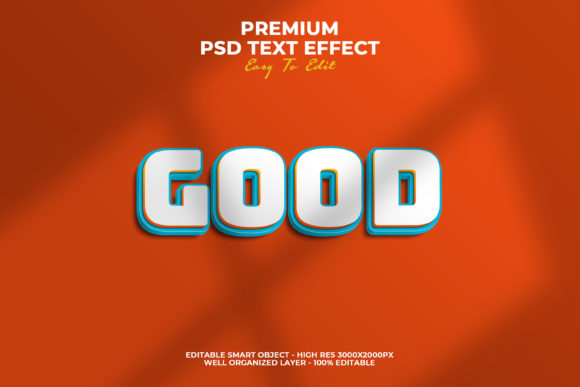
In the landscape of digital design, the distinction between a functional asset and a strategic tool often lies in the execution of detail. The 3d Good Text Effect represents more than a simple aesthetic choice; it is a method for elevating visual hierarchy and capturing attention in crowded media environments. Whether you are an entrepreneur launching a new brand, a marketer crafting a campaign, or a creator developing content, the ability to manipulate typography with depth and dimension can significantly influence how your message is received. This effect allows you to transform flat text into a tangible element that commands presence, provided it is applied with intention rather than as a default setting.
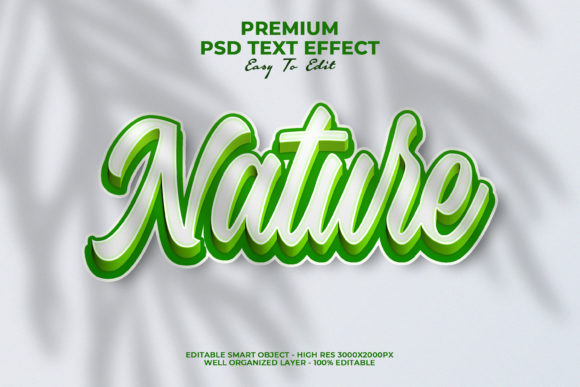
The core value of utilizing a 3D text workflow begins with efficiency. Modern design workflows demand speed without compromising quality. By leveraging a PSD file structure built around smart objects, professionals can bypass hours of manual layer manipulation. The requirement to simply place your design into the smart object streamlines the production process, allowing you to focus on the strategic narrative of your project. This approach ensures that the final output remains crisp and editable, regardless of the resolution required for a billboard, a website banner, or a cinematic title sequence.
Strategic Alignment and Goal-Oriented Design
Effective communication requires that every visual element serves a specific purpose. When considering the application of the 3d Good Text Effect, the primary question should not be "Does this look cool?" but rather "Does this support my objective?" In branding and marketing, depth creates a sense of importance. A three-dimensional headline suggests substance and permanence, which can be crucial when positioning a premium product or announcing a significant corporate milestone.
For educators and bloggers, using this effect can enhance readability and engagement. In a sea of flat, two-dimensional content, a well-executed 3D title can break through the noise, guiding the user's eye to the most critical information. However, this must be balanced against the risk of visual clutter. If the goal is clarity and rapid information consumption, excessive depth can obscure meaning. Therefore, the decision to employ this technique must be grounded in a clear understanding of the target audience's needs and the platform's constraints.
Optimizing for Different Media Formats
The versatility of the 3d Good Text Effect makes it suitable for a wide array of deliverables, each requiring a tailored approach:
- Social Media Assets: For Facebook covers or YouTube thumbnails, the 3D effect adds a tactile quality that encourages clicks. It signals high production value, which can increase trust among viewers.
- Web Banners: On websites, 3D typography can serve as a focal point for calls to action. Because the layers are well-organized, designers can easily adjust the perspective to fit responsive layouts without losing the integrity of the design.
- Cinematic and Movie Titles: In video production, the 3d Good Text Effect provides the necessary weight to titles, ensuring they stand out against dynamic backgrounds while maintaining legibility during motion.
- Print Materials: For flyers and posters, the depth created by the effect mimics physical printing techniques like embossing or foil stamping, adding a premium feel to the final piece.
The Mechanics of Efficiency: Smart Objects and Layer Management
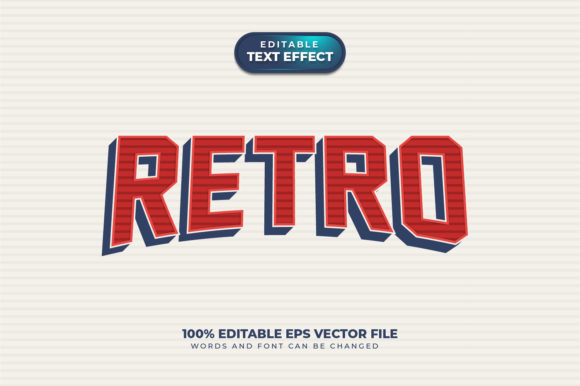
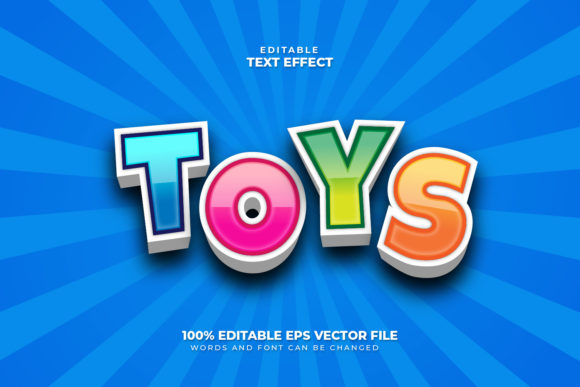
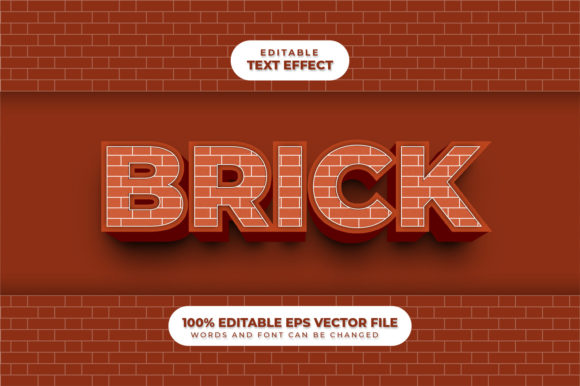
One of the most practical advantages of this design system is the use of smart objects. In a traditional workflow, changing the font, color, or content of a 3D text effect might require rebuilding the entire effect from scratch. With a well-organized PSD file featuring 100% editable smart objects, the revision process becomes instantaneous. This capability is vital for freelancers and agencies working under tight deadlines where client feedback loops are frequent.
The organization of layers is equally critical. A chaotic layer stack leads to errors and wasted time. A professional template ensures that effects, shadows, highlights, and base shapes are separated logically. This structure allows for granular control over lighting and texture. For instance, if a designer needs to simulate a metallic finish versus a matte plastic look, they can adjust the specific rendering layers without disturbing the underlying text geometry. This level of control supports the planning phase of any project, ensuring that the visual style aligns perfectly with the brand guidelines.
Furthermore, the ease of editing reduces the barrier to entry for less technical users. Small business owners and hobbyists who may not have extensive graphic design training can still produce professional-grade assets. They simply need to understand their content strategy and then apply it within the designated placeholders. This democratization of high-quality design empowers decision-makers to take ownership of their visual identity without relying solely on external vendors.
Risks of Misapplication and Visual Fatigue
Despite its utility, the 3d Good Text Effect carries inherent risks if used indiscriminately. The primary danger is visual fatigue. When every headline in a presentation or every button on a landing page features heavy 3D styling, the effect loses its impact. The human brain adapts quickly to visual stimuli; what was once striking becomes background noise. To avoid this, designers must reserve the 3D treatment for key moments of emphasis.
Another consideration is context. A 3D effect that works well on a dark, cinematic background may fail completely on a busy, colorful image or a low-resolution mobile screen. Without clear goals, the effect can distract from the message rather than enhance it. For example, in educational materials where clarity is paramount, overly stylized text can reduce comprehension rates. The decision to use this effect must always be weighed against the cognitive load placed on the viewer.
Planning for Long-Term Results and Brand Consistency
Sustainable success in design relies on consistency. The 3d Good Text Effect should be integrated into a broader brand strategy rather than used as an isolated trend. When establishing a brand identity, selecting a specific style of 3D typography and applying it consistently across all touchpoints builds recognition. This could mean standardizing the angle of the light source, the type of shadow used, or the material texture associated with the text.
From an operational standpoint, having a library of pre-built, editable templates saves valuable resources. Instead of creating a new poster or flyer from scratch for every campaign, teams can utilize the same foundational 3D structure, swapping only the text and colors. This standardization accelerates the production cycle and ensures that all communications maintain a cohesive look. It allows the team to scale their efforts without diluting the quality of the output.
For marketers and publishers, this efficiency translates directly to better results. Faster turnaround times mean more opportunities to test different headlines and designs. The ability to rapidly iterate on a 3D text concept allows for data-driven optimization. You can create variations of a cover image, test them in A/B experiments, and quickly deploy the winner based on performance metrics. This iterative process is essential for staying competitive in fast-paced digital markets.
Decision-Making Framework for Implementation
To ensure the 3d Good Text Effect delivers value, consider the following framework before beginning the design process:
- Define the Objective: Is the goal to grab attention, convey luxury, or explain a complex concept? Ensure the 3D style matches this intent.
- Analyze the Platform: Will the design be viewed on a small mobile screen or a large desktop monitor? Adjust the complexity and scale accordingly.
- Check Accessibility: Does the 3D effect compromise readability? Ensure sufficient contrast and legibility for all users.
- Leverage the Tools: Utilize the smart object capabilities to test multiple variations quickly without starting over.
- Maintain Consistency: Apply the chosen style uniformly across all related assets to reinforce brand identity.
By approaching the 3d Good Text Effect with this level of strategic foresight, professionals can transform a simple design element into a powerful communication tool. It moves beyond mere decoration to become a functional component of the overall messaging strategy. Whether you are creating a movie title sequence that sets the tone for a film or a website banner that drives conversions, the thoughtful application of 3D typography can make the difference between being seen and being ignored.
The technology behind these PSD files—smart objects, organized layers, and full editability—provides the foundation for excellence. However, the true power lies in the hands of the designer who understands when to use it. By focusing on goals, planning carefully, and avoiding the trap of gratuitous styling, you can achieve long-term results that resonate with your audience. The 3d Good Text Effect is a versatile asset, but like any tool, its effectiveness depends entirely on the skill and judgment of the user. Use it intentionally, and it will elevate your work to a professional standard.