Creating a 3D Christmas Shadow Box 3D Snowman: A Comprehensive Guide to Digital Crafting
The holiday season is defined by the desire to create meaningful, personalized decorations that stand out from mass-produced items found on store shelves. Among the most popular trends in modern crafting is the use of layered paper art, specifically designed for machines like Cricut and Silhouette. This has led to a surge in demand for high-quality digital assets, particularly those that allow creators to build depth and dimension. The 3D Christmas Shadow Box 3D Snowman represents a pinnacle of this trend, offering a way to bring a classic winter figure to life with intricate layering techniques.
When enthusiasts speak of this project, they are often referring to a specific type of digital file package. These packages typically include a Christmas 3D SVG Shadow Box with Christmas Bell, providing all the necessary vector paths to cut layers from cardstock, foam, or wood. Understanding the nuances of these files is essential for anyone looking to produce professional-grade holiday decor. Whether you are a seasoned graphic designer or a hobbyist just starting with your first cutting machine, knowing how to utilize these resources effectively can transform a simple craft into a stunning display piece.
The Anatomy of a High-Quality Digital Craft File
To appreciate the value of a 3D Christmas Shadow Box 3D Snowman, one must first understand what makes a digital file suitable for physical production. Unlike standard raster images (like JPEGs or PNGs) which lose quality when scaled, vector files are mathematical representations of shapes. This allows them to be resized infinitely without pixelation, ensuring that an 8-inch design can be scaled down to a keychain or up to a large wall hanging without losing detail.
A robust digital download for this purpose usually comes as a ZIP archive containing multiple file formats to ensure compatibility across different software ecosystems. The inclusion of an SVG File is critical, as it is the native format for most modern cutting machines. However, true versatility requires more than just one format. A comprehensive package will also provide a DXF File, which is widely used in CAD software and compatible with a broader range of older cutting plotters. Furthermore, the presence of an EPS and an Ai (Adobe Illustrator) file indicates that the creator intends for the design to be editable. This allows users to change colors, adjust text, or modify elements before sending the job to the cutter.
These files are not merely images; they are blueprints. When you receive a digital download, you are acquiring the instructions for a physical object. The default design size mentioned in many listings is often set to 8×8 inch, a versatile dimension that fits perfectly on standard scrapbooking mats and small tabletop displays. Yet, because these are scalable vectors, the user has the freedom to adjust the dimensions to suit their specific shadow box frame or project requirements.
From Pixels to Physical Depth: The Layering Process
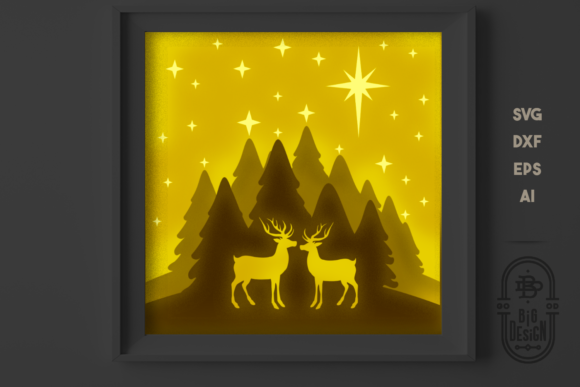
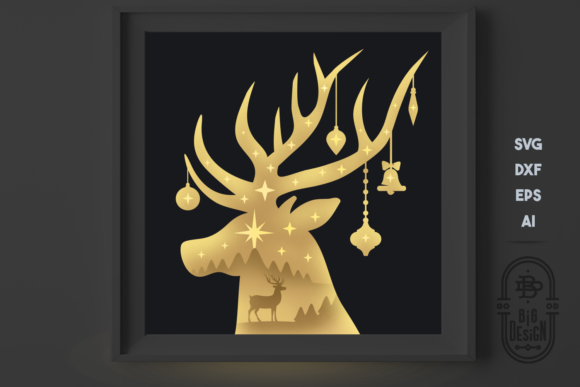
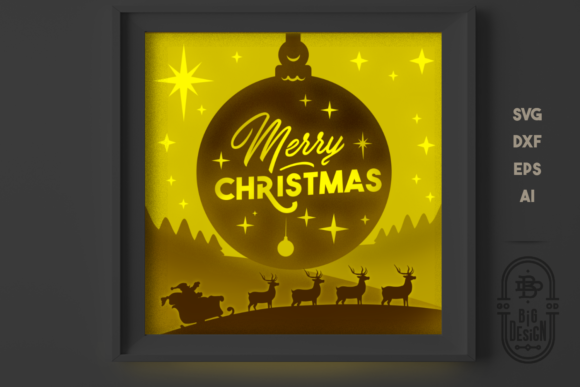
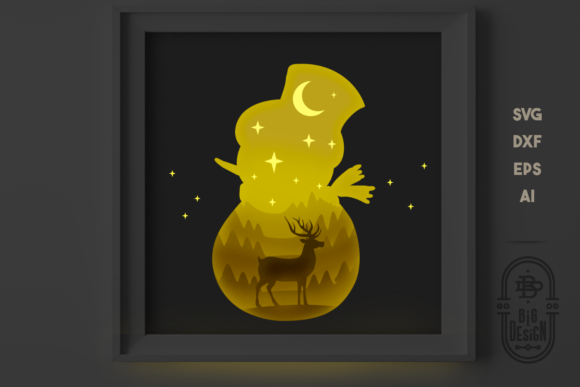
The magic of the Christmas 3D SVG Shadow Box with Christmas Bell lies in its layering strategy. A flat image cannot convey the feeling of a snowman standing in a snowy landscape. To achieve the three-dimensional effect, the design is split into numerous distinct layers. Each layer represents a specific element of the scene, such as the background sky, the distant trees, the snowman's body segments, his scarf, and the bell hanging from his neck.
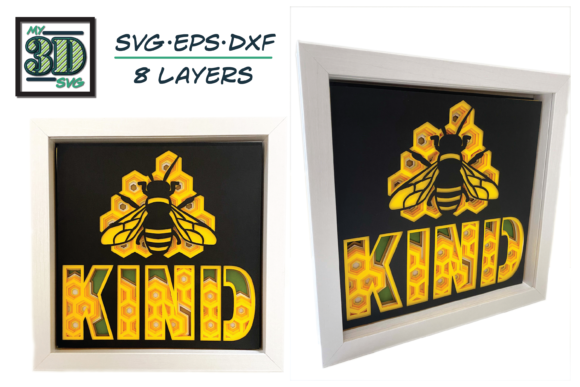
In practice, the crafter cuts each layer from a different material or color of cardstock. Once cut, these pieces are adhered together using foam adhesive pads or dimensional tape. This technique creates physical gaps between the layers, casting real shadows when light hits the object. It is this interplay of light and shadow that gives the artwork its name: a shadow box. The result is a visual depth that mimics a diorama, making the snowman appear to pop out of the frame.
This process requires precision. If the layers are misaligned, the final product will look distorted. Therefore, having clean, well-organized vector paths is paramount. Professional designs ensure that every cut line is continuous and free of errors, minimizing waste and frustration during the cutting phase. The 3D Christmas Shadow Box 3D Snowman design excels here by separating complex elements, allowing the maker to assemble the scene logically, typically working from the background forward to the foreground.
Software Requirements and Technical Considerations
Before embarking on a project involving these digital assets, it is crucial to have the correct software environment. Since the output is a DIGITAL DOWNLOAD of files rather than a physical item, the responsibility of opening and processing the data rests entirely with the buyer. The primary requirement is software capable of reading vector formats. For those using Cricut Design Space, the SVG File is the ideal entry point. Similarly, Silhouette Studio users rely heavily on the same format, though some advanced features may require the paid version of the software to import certain vector attributes.
For professionals and designers who need to edit the design further, the Ai and EPS files are indispensable. Adobe Illustrator is the industry standard for handling these formats, allowing for precise manipulation of anchor points, color swatches, and layer groups. Researchers and educators might find the DXF File particularly useful if they are integrating the design into engineering or architectural visualization workflows. It is important to note that while some basic viewers can open these files, full editing capabilities generally require dedicated vector graphics software.
Users should be aware that the quality of the final physical product is directly dependent on the quality of the source files. Poorly drawn vectors can lead to "floating bits" or broken lines during the cutting process. A well-crafted design ensures that all elements are grouped correctly, preventing accidental cuts where no cuts should occur. When purchasing a 3D Christmas Shadow Box 3D Snowman, verifying that the package includes a variety of file types provides a safety net, ensuring that regardless of the software stack you use, you can successfully execute the project.
Applications Across Different Sectors
The utility of a Christmas 3D SVG Shadow Box with Christmas Bell extends far beyond personal home decoration. Its versatility makes it a valuable asset for various sectors, including education, business, and professional manufacturing.
- Education and Workshops: Educators can utilize these files to teach students about geometry, spatial reasoning, and the history of vector graphics. By assembling a 3D Christmas Shadow Box 3D Snowman, students learn about scale, proportion, and the physics of light and shadow. It serves as an excellent STEM/STEAM project that combines art with technical skills.
- Small Business Owners: Entrepreneurs selling handmade goods can leverage these digital downloads to create unique inventory without needing to design from scratch. By producing high-quality shadow boxes, they can offer premium holiday gifts at a competitive price point. The scalability of the design allows them to create miniatures for keychains or large versions for window displays.
- Hobbyists and Makers: For the vast community of crafters, these files represent endless creative possibilities. They can experiment with different materials, such as glitter paper, metallic foil, or even thin wood veneers, to give their 3D Christmas Shadow Box 3D Snowman a unique texture. The ability to customize the color palette means they can match the decor of any room.
- Corporate Events: Businesses often seek distinctive branding opportunities during the holidays. A custom shadow box featuring company colors alongside a festive theme can serve as a memorable gift for clients or employees. The Christmas 3D SVG Shadow Box with Christmas Bell offers a neutral yet celebratory base that can be easily adapted for corporate messaging.
Material Selection and Assembly Techniques
Once the digital files are processed and sent to the cutting machine, the choice of material becomes the next critical step. While cardstock is the most common medium due to its ease of use and affordability, the potential for experimentation is vast. Heavy-weight chipboard or mat board can provide a sturdier structure for larger shadow boxes, while vellum or acetate can add a translucent, frosty effect to the snowman's hat or the background snow.
The assembly process requires patience and attention to detail. Using double-sided foam tape is the standard method for creating the separation between layers. The thickness of the foam determines the depth of the shadow; thicker foam creates deeper shadows but may make the piece less stable if not supported properly. Some creators prefer to use hot glue for a permanent bond, though this reduces the flexibility of the final piece. When working with a 3D Christmas Shadow Box 3D Snowman, it is advisable to dry-fit the layers before applying adhesive to ensure alignment is perfect.
The inclusion of a Christmas Bell in the design adds a focal point that draws the eye. In a 3D context, this element can be made to look like it is swinging or hanging freely if attached with a flexible string or wire, adding a dynamic element to the static display. This level of detail transforms the project from a simple craft into a piece of functional art.
Maximizing Value Through Scalability
One of the most significant advantages of purchasing a vector-based design is the concept of scalability. An 8×8 inch default size is convenient, but it is rarely the only size needed. Perhaps you wish to create a matching set of ornaments, or maybe you want to frame the snowman in a larger gallery wall arrangement. Because the files provided—SVG, DXF, EPS, and Ai—are vectors, you can resize the design to any dimension without degradation.
This flexibility supports a wide range of applications. A small version could be used for a wedding favor tag, while a massive version could decorate a retail storefront window. The 3D Christmas Shadow Box 3D Snowman design remains consistent in its proportions regardless of size, ensuring that the aesthetic integrity of the piece is maintained. This adaptability makes it a cost-effective investment for businesses and individuals alike, as one purchase can yield products for multiple markets.
Furthermore, the digital nature of the file means there is no risk of shipping damage or lost inventory. You have immediate access to the design upon download, allowing for rapid prototyping and iteration. If a color scheme does not work, you can simply re-cut the layers from a different roll of paper without waiting for a replacement shipment. This efficiency is a hallmark of modern digital crafting.
Conclusion on Digital Craft Integration
The integration of digital files into traditional crafts has revolutionized how we approach holiday decorating. The 3D Christmas Shadow Box 3D Snowman stands as a testament to this evolution, combining the charm of winter traditions with the precision of modern technology. By understanding the components of the digital package—including the SVG, DXF, EPS, and Ai files—and mastering the techniques of layering and assembly, creators can produce works of art that rival professionally manufactured items.
Whether you are an educator teaching the principles of design, a business owner expanding your product line, or a hobbyist seeking a new challenge, these files provide the foundation for success. The ability to scale, edit, and replicate ensures that the project remains relevant and adaptable to your specific needs. As long as you have the appropriate software and the right materials, the possibilities for creating a stunning Christmas 3D SVG Shadow Box with Christmas Bell are limited only by your imagination.